Blog
How to Commission a Virtual Tour That Truly Represents Your Space
A Practical Guide for Museums, Architects, Businesses, and Schools
Introduction
Commissioning a virtual tour can be a powerful way to open your space to a wider audience — whether you’re a museum welcoming online visitors, an architect showcasing a project, or a business offering a preview of your premises.
But to truly reflect the character and purpose of your space, it’s important to go beyond the basics. In this guide, I’ll walk you through what to expect, how to prepare, and how to ensure your tour meets your goals from day one.
1.
Define the Purpose of Your Tour
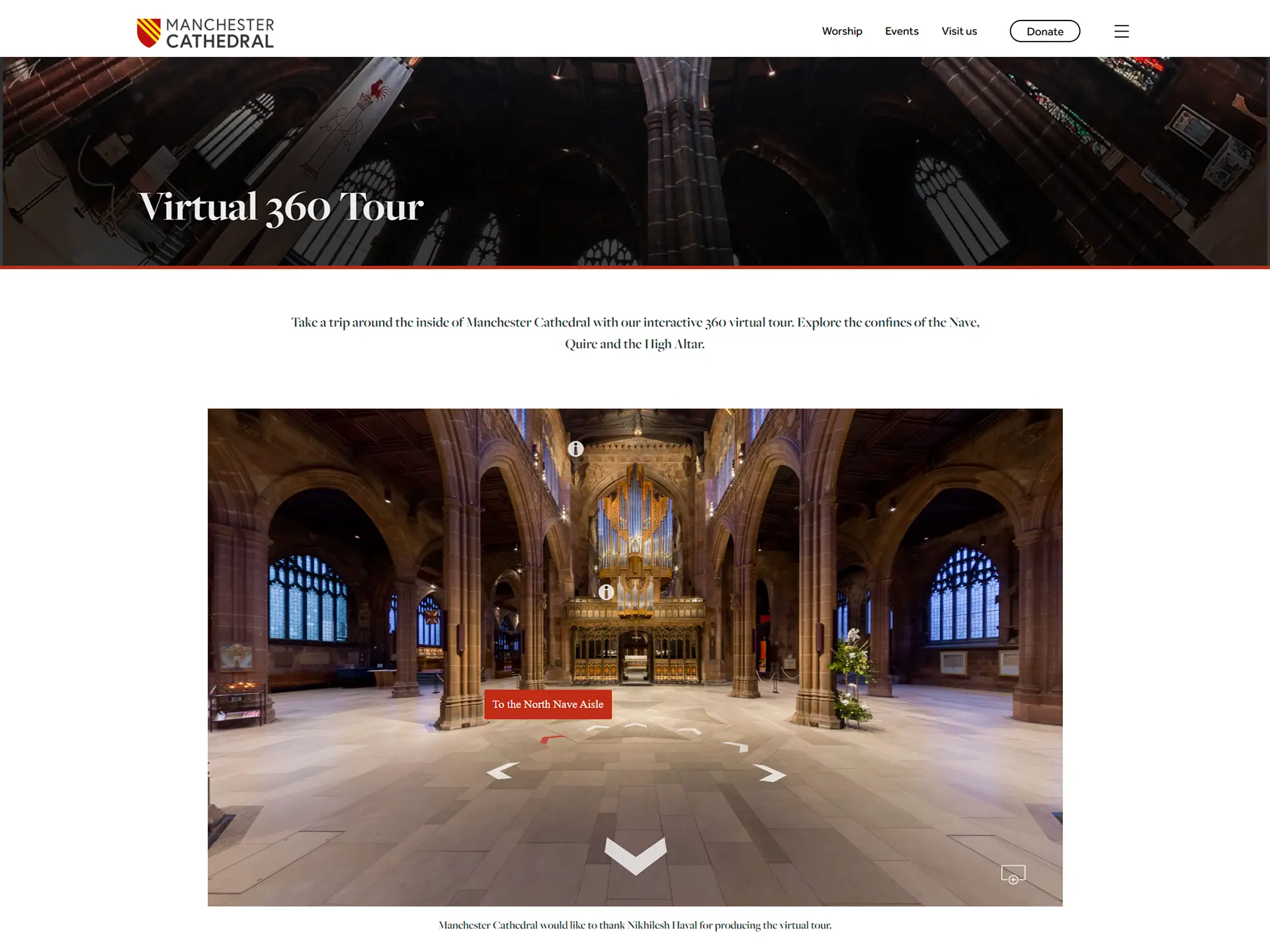
The most successful virtual tours start with a clear purpose.
Ask yourself:
- Who will be using this tour?
- What should they come away understanding or feeling?
- Are there specific stories or features that should stand out?
For example:
- A museum might want to highlight accessibility, collections, or architectural heritage.
- A school could use the tour to reassure prospective students and parents.
- A business may aim to convey professionalism or creativity.
- An architect might want to present spatial qualities and design intent.
Knowing your goals from the outset will help shape every aspect of the tour, from how it’s shot to how it’s presented.

2.
Understand What’s Involved
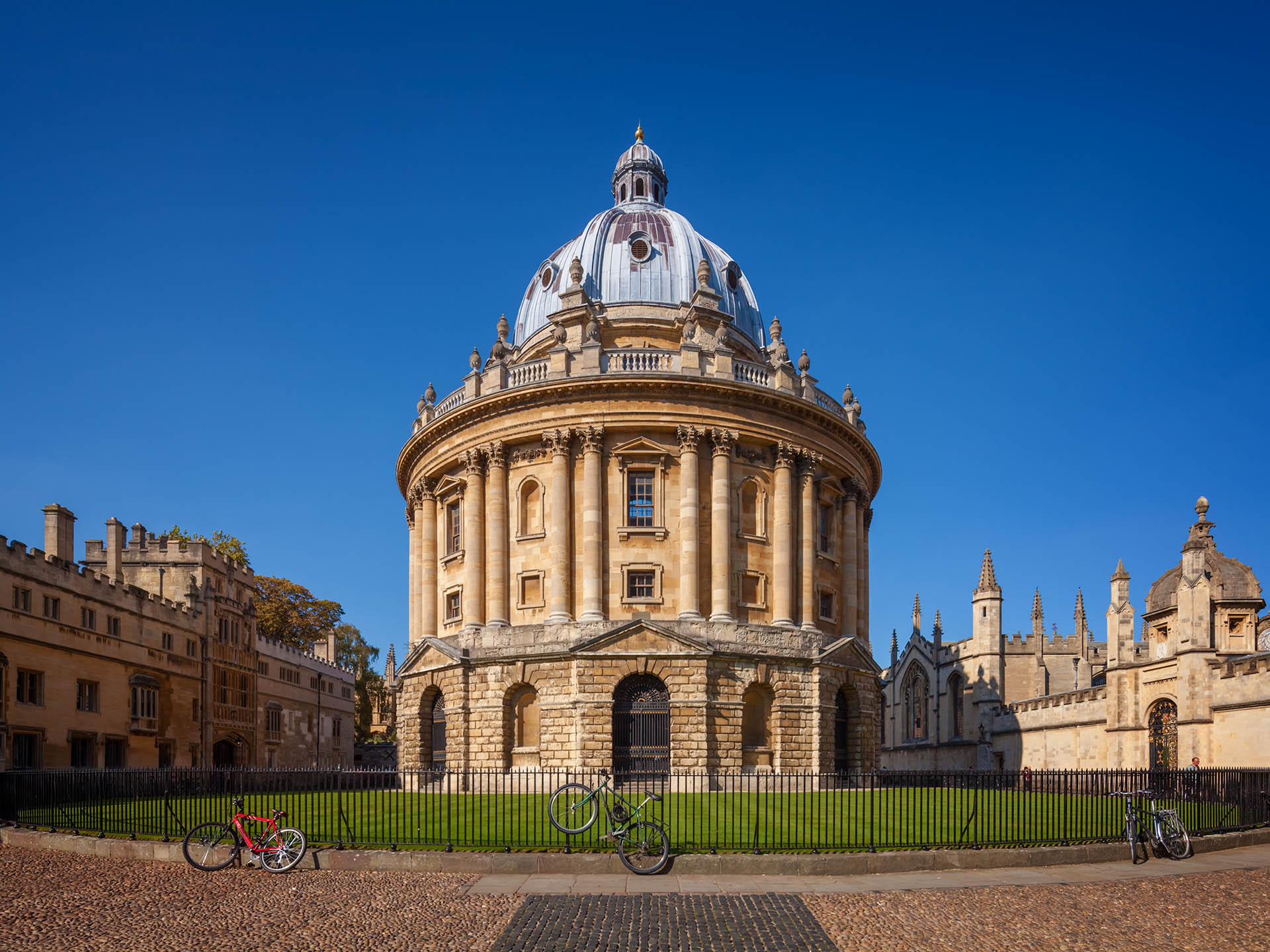
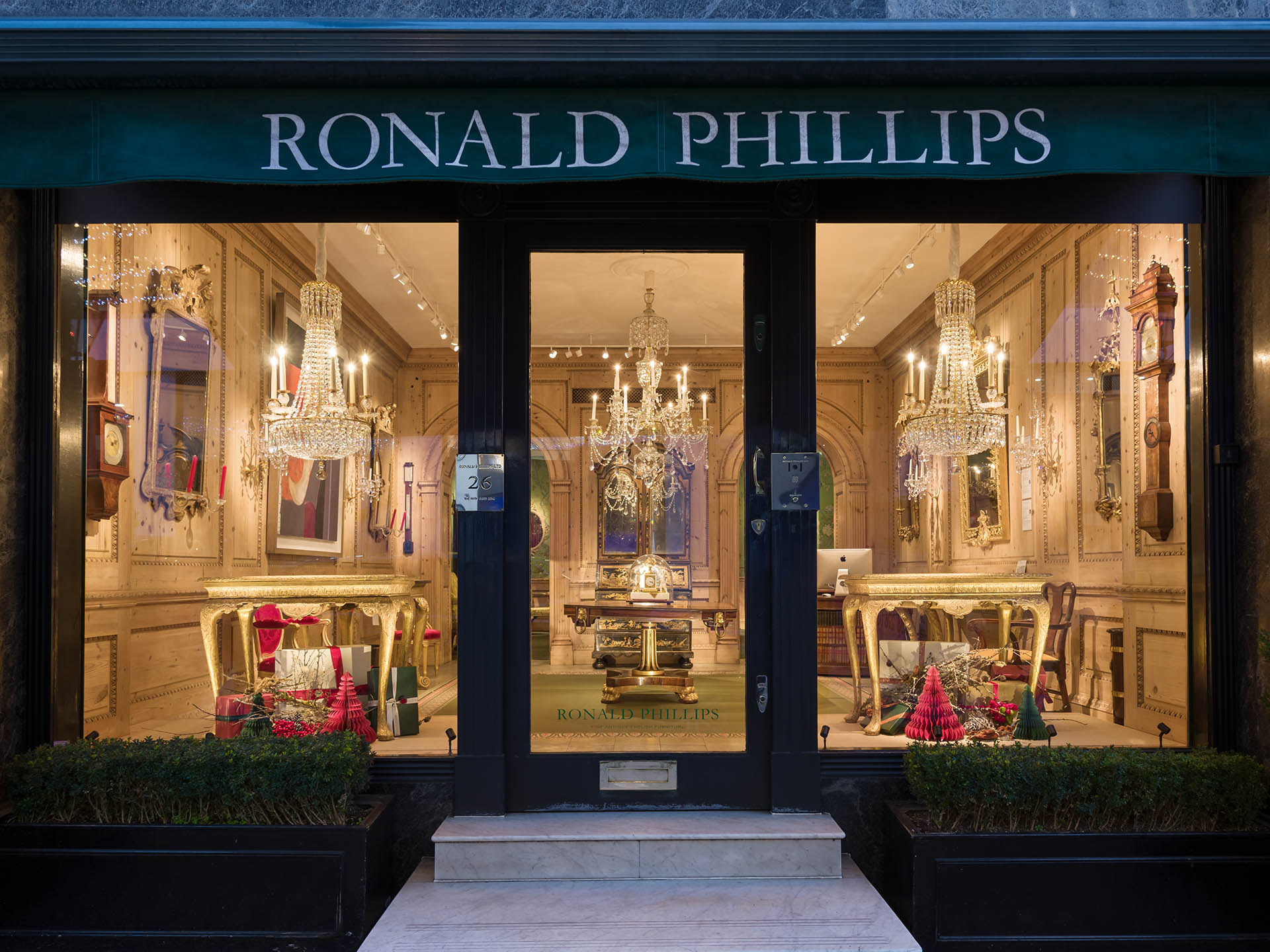
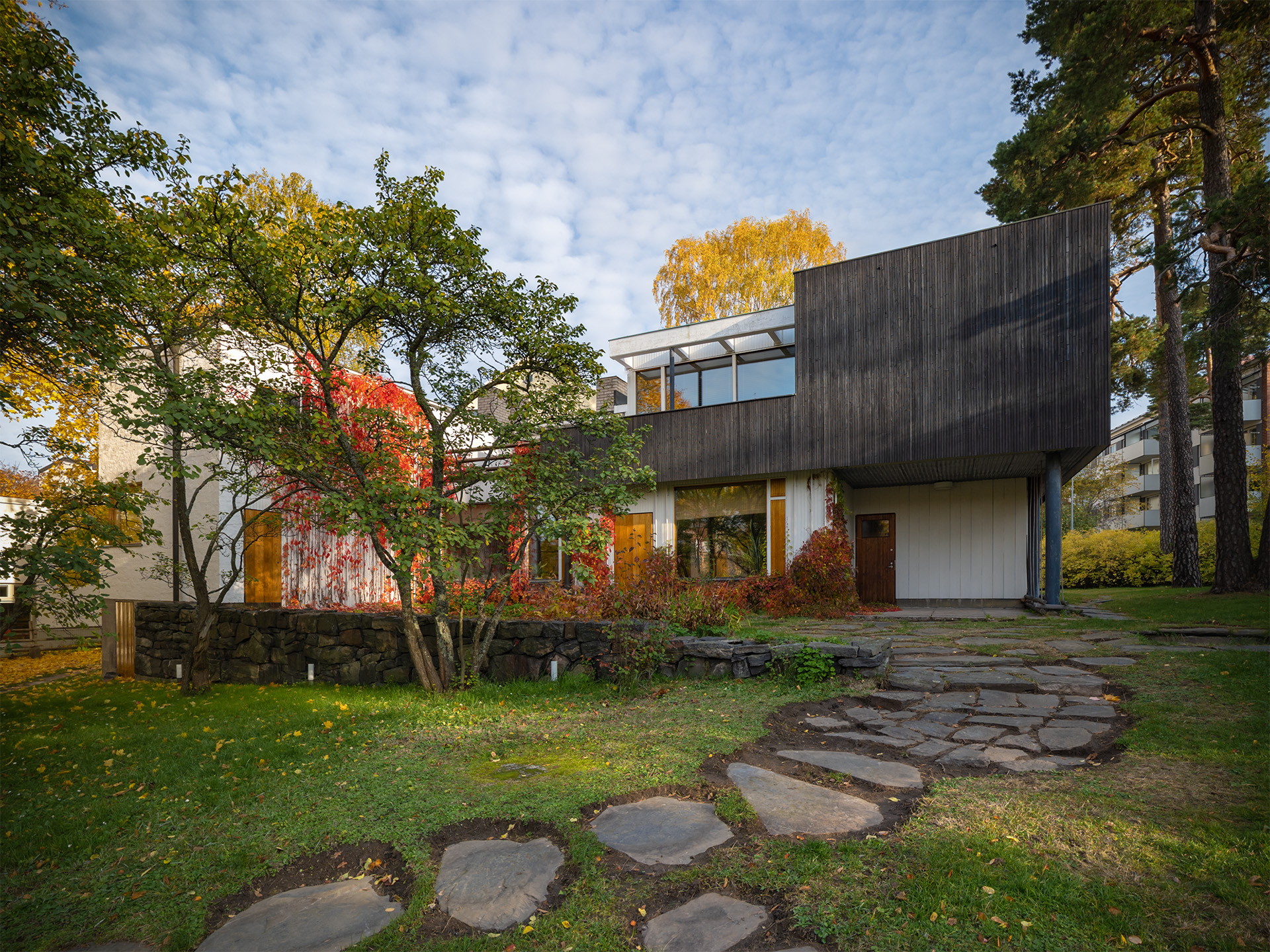
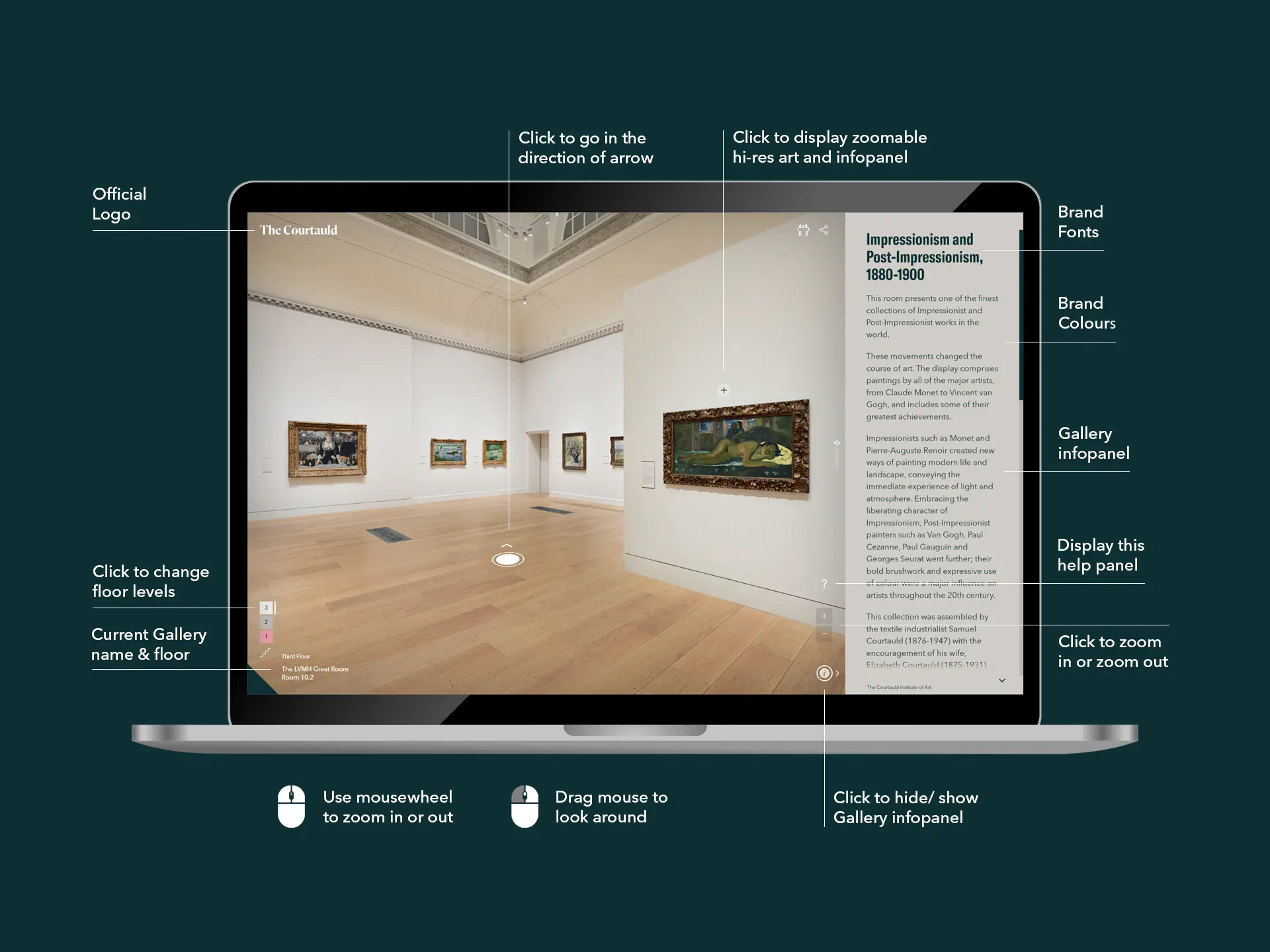
A professional virtual tour is more than just a few 360° photos.
You’ll typically be looking at:
- High-resolution panoramic photography to immerse the viewer.
- Navigation controls to move between scenes.
- Interactive hotspots (clickable icons for text, images, audio, or video).
- Overlay features for branding, menus, or additional content.
- Custom styling that reflects your identity.
You may also want to consider:
- Voiceover narration or background sound.
- VR headset compatibility.
- Multilingual to widen your audience.
- British Sign Language (BSL) to improve accessibility.
- Integration with your website or learning platforms.
A good provider will explain what’s possible and help you decide what fits best.
3.
Preparation Before the Shoot
A successful shoot is often the result of a good prep. Here’s what to consider:
- Space presentation: Tidy, declutter, and remove temporary signage. If the tour is long-term, it’s worth capturing it in its best light.
- Schedule carefully: Choose times with minimal foot traffic, avoid major events, and think about natural light if relevant.
- Permissions: Make sure you have access to all the areas being captured, and that any sensitive areas (e.g. private offices, artwork, or students) are either excluded or cleared.
- Health and safety: Inform your staff or caretakers in advance so there are no surprises during setup or shooting.
Staggered shoots are common in museums and public venues.
Due to conservation schedules, events, or access restrictions, it’s not always possible to photograph everything in one session. When needed, virtual tours can be captured in stages across multiple days. With careful planning and consistent post-production, the final result appears seamless, as though the whole tour was captured in a single visit, maintaining visual consistency and a unified user experience.
4.
Working with a Specialist
Virtual tours aren’t one-size-fits-all.
When choosing a provider, look for someone who:
- Has a strong portfolio, ideally in your sector.
- Understands spatial storytelling and lighting.
- Can offer custom features, not just templated solutions.
- Communicates clearly and helps guide the process.
Ask about:
- Image resolution (crucial for large or detailed spaces).
- Post-production capabilities (e.g. colour matching, retouching).
- Hosting and delivery options.
- Licensing: Who owns the images and how can they be used?
A collaborative approach makes all the difference. You’ll benefit from someone who understands the challenges and opportunities of your environment.
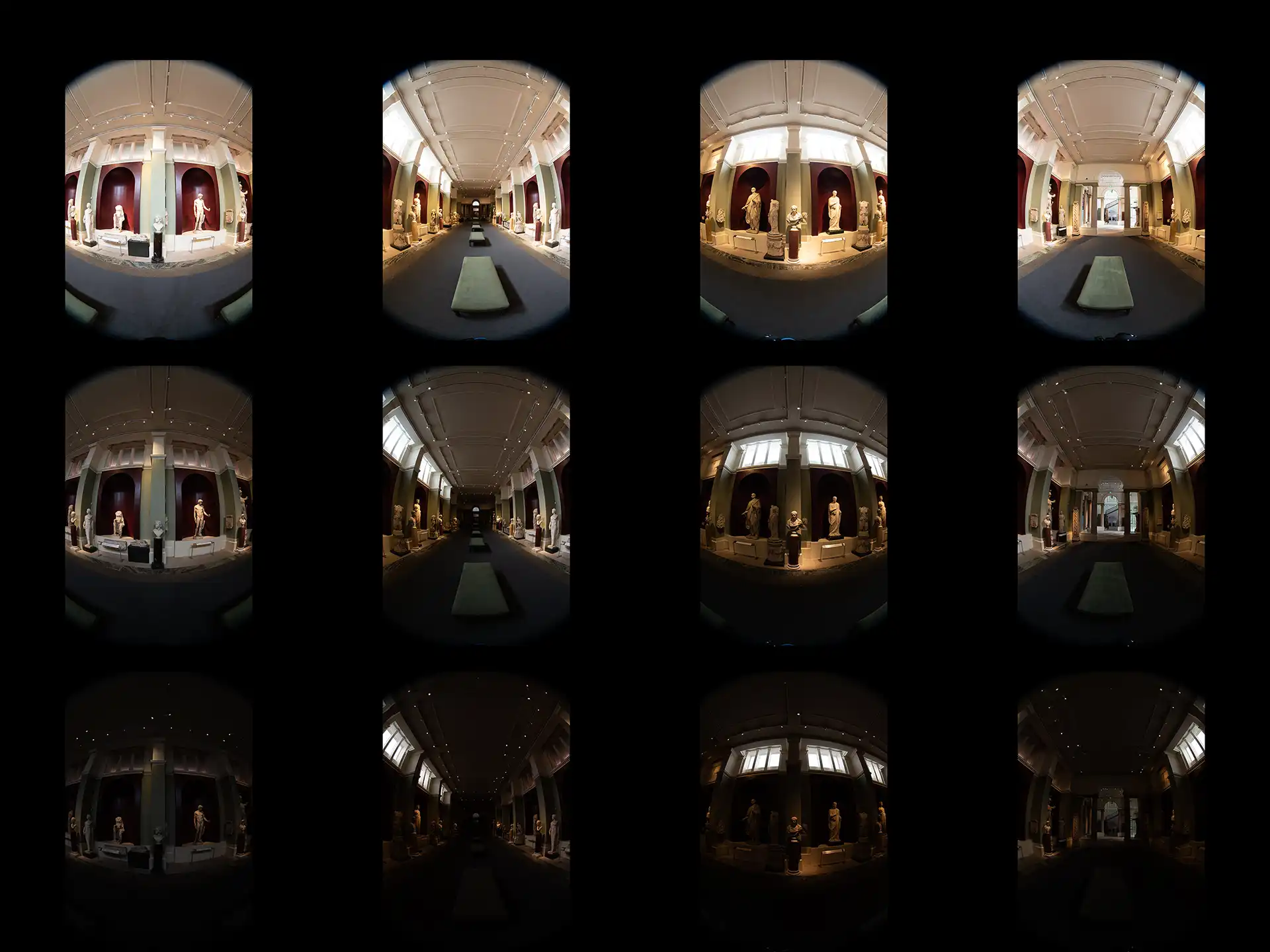
exposures for natural HDR blending of one panorama
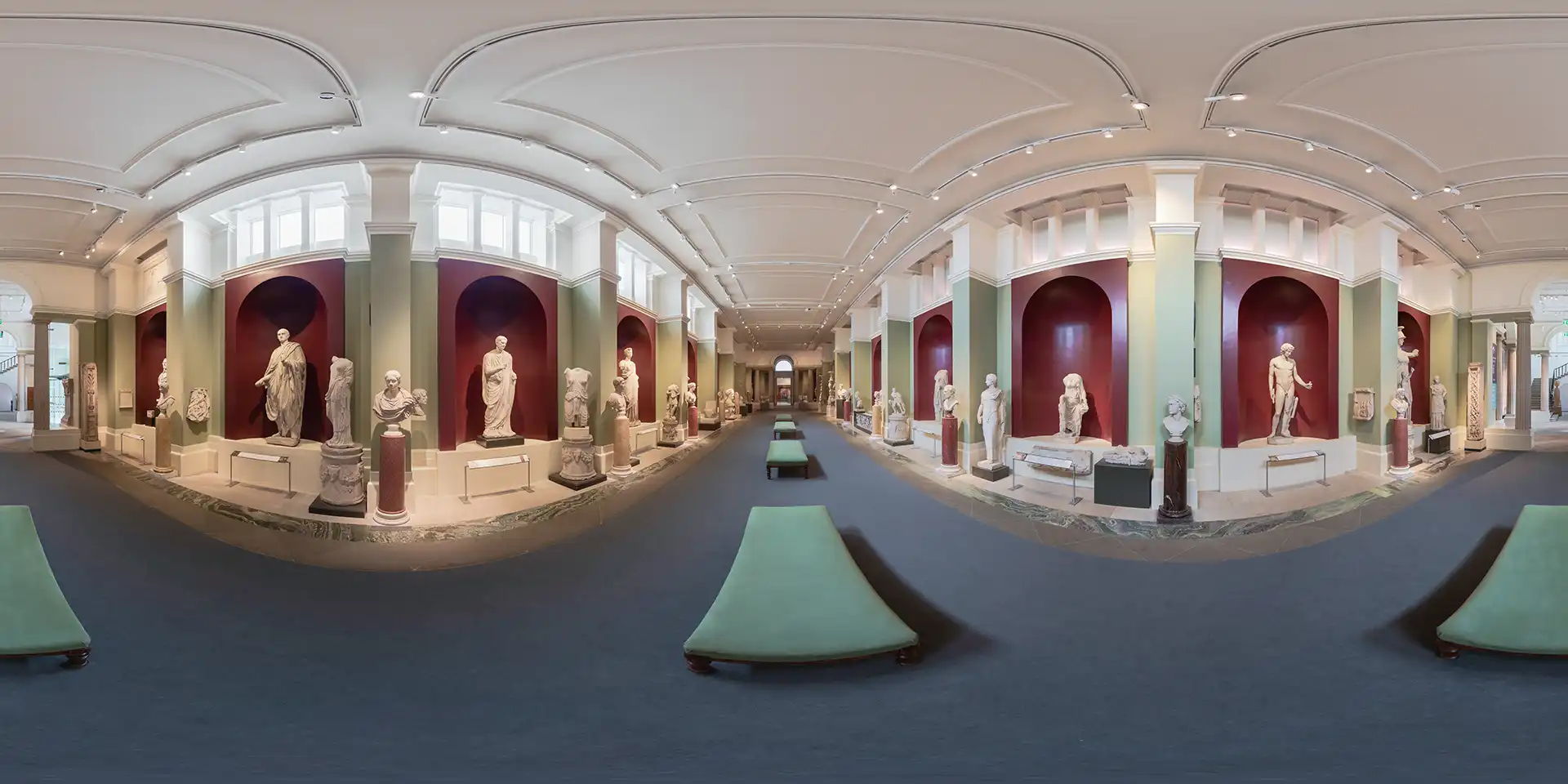
ready for creation of interactive virtual tour
5.
What to Expect After the Shoot
Once the photography is complete, the bulk of the work happens in post-production.
You can expect:
- Initial edits and draft delivery (you'll be able to give feedback).
- Branding or information layers to be added.
- Final files delivered as embed-ready links or standalone assets.
Good providers will also:
- Offer advice on how to embed the tour on your website.
- Discuss options for future updates (e.g. adding new rooms or exhibitions).
- Help you maintain the tour so it stays relevant and secure.
Commissioning a virtual tour is straightforward. Here's a typical 4-phase process from brief to delivery:
Planning & Agreement
1.
Submit Brief & Budget
2.
Discuss Requirements
3.
Accept Quote
4.
Schedule Shoot Date(s)
Photography & Processing
5.
On-site Capture
6.
Create Panoramas
Tour Creation
7.
Submit Content & Branding
8.
Add Navigation & Features
9.
Review Draft Tour
10.
Apply Feedback
11.
Final Approval & Sign-Off
Delivery & Wrap-Up
12.
Transfer to Hosting
13.
Invoice & Payment
6.
Bonus Tips for a Successful Tour
- Think long-term:
Capture your space in a timeless way that won’t need constant re-shooting. - Include extras:
Aerial views, still photography, or embedded videos can add polish and context. - Maximise use:
Use your tour in online marketing, email campaigns, signage with QR codes, or digital interpretation. - Collaborate early:
Share your goals and inspirations from the start. A little planning goes a long way.
Conclusion
Commissioning a virtual tour is a fantastic opportunity to show your space at its best, but it works best when it’s a well-planned, collaborative process. Whether you’re curating an exhibition, opening a new campus wing, or presenting a flagship workspace, the right tour can enhance how others experience and understand what you do.
Let’s Build a Virtual Tour That Reflects Your Space
From initial planning to polished delivery, I work closely with each client to build high-quality tours tailored to their audience and story.
If you're ready to start, I’d love to hear from you.
Let's Talk